

What is the weight distribution on a weightlifting bench?
Dec 26, 2025
Leave a message
Hey there, fitness enthusiasts! As a supplier of weightlifting benches, I've seen firsthand the importance of understanding weight distribution on these benches. It's not just about throwing some weights on and starting your workout; getting the weight distribution right can make a huge difference in your safety, performance, and overall workout experience.
Let's start with the basics. When you're using a weightlifting bench, the weight is distributed across different parts of the bench and your body. The bench itself has to support not only the weight of the barbell and weights but also your body weight. There are a few key factors that affect how the weight is distributed on a weightlifting bench.
One of the most important factors is your body position. When you lie down on the bench, your body weight is spread out over the surface of the bench. Your head, shoulders, back, and buttocks all contribute to the overall weight distribution. If you're not lying flat and centered on the bench, the weight can be unevenly distributed, which can put extra stress on certain parts of the bench and increase the risk of injury. For example, if you're tilted to one side, one end of the bench will bear more weight than the other, and this can cause the bench to wobble or even tip over.
Another factor is the type of exercise you're doing. Different exercises place different demands on the weightlifting bench. For instance, when you're doing a bench press, the weight is mainly concentrated in the middle of the bench, where your chest and shoulders are. The barbell and weights create a downward force that is transferred through your body to the bench. On the other hand, if you're doing incline or decline bench presses, the weight distribution changes. In an incline press, more weight is shifted towards the head end of the bench, while in a decline press, the weight moves towards the foot end.
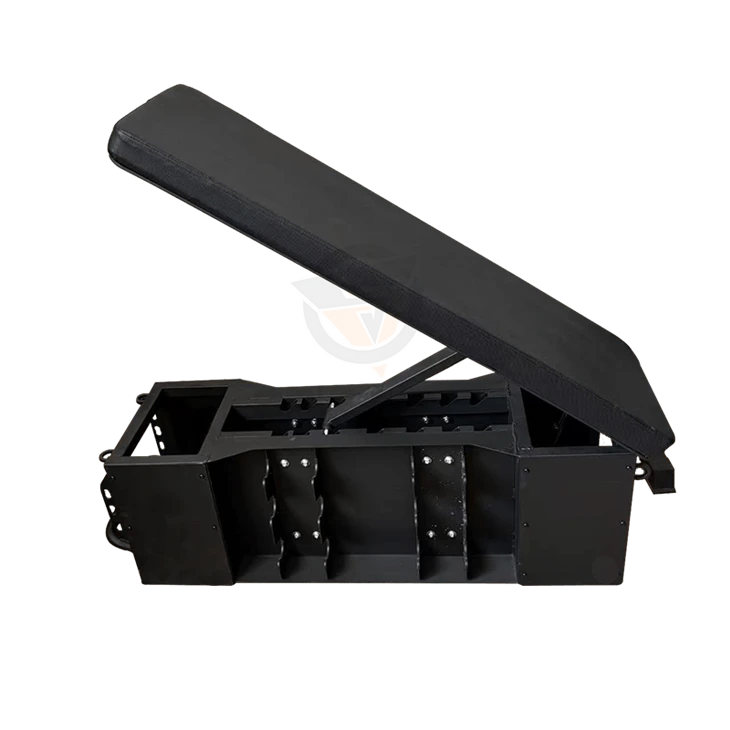

The design and construction of the weightlifting bench also play a crucial role in weight distribution. A well - built bench is designed to evenly distribute the weight across its frame and legs. High - quality benches are usually made with sturdy materials like steel or heavy - duty aluminum, which can handle the stress of heavy weights. They also have a wide base and stable legs to prevent tipping. Some benches come with adjustable features, such as adjustable backrests and leg supports, which can help you optimize the weight distribution for different exercises.
Now, let's talk about the impact of weight distribution on your workout. When the weight is evenly distributed, you can perform exercises more efficiently. Your muscles can work together in a coordinated way, and you're less likely to experience muscle imbalances. For example, if the weight is evenly distributed during a bench press, your chest, shoulders, and triceps can all contribute equally to the movement, leading to better overall muscle development.
On the flip side, uneven weight distribution can lead to a host of problems. It can cause pain and discomfort in your body, especially in your back, shoulders, and neck. Over time, this can lead to chronic injuries. Uneven weight distribution can also affect your performance. If the bench is unstable due to improper weight distribution, you'll have to spend more energy trying to keep it steady, and this can take away from the intensity of your workout.
When choosing a weightlifting bench, it's important to consider its weight capacity. The weight capacity indicates the maximum amount of weight the bench can safely support. You should always make sure that the bench you choose can handle the total weight of your body, the barbell, and the weights you plan to use. For example, if you're a heavy lifter and you usually use a lot of weights, you'll need a bench with a high weight capacity.
Let's take a look at some of the products we offer that are related to weightlifting. The Buffalo Squat Bar is a great addition to any weightlifting setup. It's designed to provide a comfortable and stable grip, and it can handle heavy weights. This bar can be used in combination with our weightlifting benches for a variety of exercises, including squats and overhead presses.
If you're looking to add some variety to your workouts, the Gym Wall Ball is a fantastic option. Wall balls are great for core training and can be used in conjunction with your weightlifting bench. You can perform exercises like wall ball slams and medicine ball passes to work your abs, back, and shoulders.
And for those who are into high - intensity interval training (HIIT), our HIIT BENCH is a must - have. It's adjustable, so you can use it for different types of HIIT exercises, such as step - ups, dips, and plyometric movements. The bench is designed to be lightweight and portable, making it perfect for home gyms or outdoor workouts.
Understanding weight distribution on a weightlifting bench is essential for a safe and effective workout. By paying attention to your body position, the type of exercise, and the quality of the bench, you can ensure that the weight is evenly distributed and that you're getting the most out of your workouts.
If you're interested in purchasing a weightlifting bench or any of our other fitness products, I encourage you to reach out to us for a procurement discussion. We're here to help you find the right equipment for your needs and budget. Whether you're a professional athlete, a fitness enthusiast, or just starting your fitness journey, we have the products and expertise to support you.
References
- Fitness Equipment Manufacturer's Handbook
- Journal of Strength and Conditioning Research
- National Strength and Conditioning Association Guidelines