

What is the shape of the backrest on the FID weight bench?
Jul 28, 2025
Leave a message
The shape of the backrest on the FID weight bench is a crucial design element that significantly impacts the user experience, comfort, and effectiveness of workouts. As a supplier of FID weight benches, understanding the nuances of backrest shapes is essential for providing high - quality products that meet the diverse needs of fitness enthusiasts.
Common Shapes of Backrests on FID Weight Benches
1. Flat Backrest
The flat backrest is one of the most basic and traditional designs. It provides a simple, straightforward surface for users to lie on during exercises such as flat bench presses. This shape is ideal for those who prefer a stable and uncomplicated setup. When performing flat bench presses, the flat backrest ensures that the user's back remains in a neutral position, which helps to target the chest muscles effectively. It also allows for a consistent range of motion, making it easier to measure and improve strength over time.
However, a flat backrest may not be suitable for all types of exercises. For example, when performing incline or decline exercises, a flat backrest may not provide the necessary support to maintain proper form. Some users may also find it less comfortable for extended periods of use, as it does not conform to the natural curvature of the spine.
2. Incline - Only Backrest
Incline - only backrests are designed to allow the user to perform incline exercises, such as incline bench presses and shoulder presses. The incline angle typically ranges from 15 to 45 degrees, with some benches offering adjustable angles within this range. This shape is beneficial for targeting the upper chest and shoulder muscles, as the incline position changes the line of pull and places more emphasis on these areas.
The incline backrest provides additional support to the upper body, helping the user to maintain proper form during exercises. It also reduces the stress on the lower back, as the body is angled upwards. However, these benches are limited in their functionality, as they cannot be used for flat or decline exercises without additional equipment or modifications.
3. Decline - Only Backrest
Decline - only backrests are less common than flat or incline backrests but are still useful for specific exercises. The decline angle is usually between 10 and 30 degrees, and it is primarily used for decline bench presses and abdominal exercises. When performing decline bench presses, the decline position targets the lower chest muscles, as the line of pull is different from that of flat or incline presses.
For abdominal exercises, the decline backrest allows the user to perform exercises such as decline sit - ups and leg raises with greater resistance. However, like incline - only benches, decline - only benches have limited functionality and may not be suitable for users who want to perform a variety of exercises on a single bench.
4. Adjustable Backrest
The adjustable backrest is the most versatile option available. It allows the user to change the angle of the backrest to perform flat, incline, and decline exercises on the same bench. This type of backrest typically offers multiple adjustment positions, ranging from a full decline to a steep incline.
The adjustable backrest provides the user with the flexibility to target different muscle groups during a single workout. It also allows for a more personalized workout experience, as users can adjust the backrest angle to suit their individual needs and preferences. However, adjustable backrests are generally more complex and expensive than fixed - angle backrests, and they may require more maintenance to ensure smooth operation.
Ergonomic Considerations
Regardless of the shape of the backrest, ergonomics play a vital role in the design of FID weight benches. A well - designed backrest should support the natural curvature of the spine, reducing the risk of injury and discomfort during workouts. This can be achieved through the use of contoured padding and proper lumbar support.
Contoured padding conforms to the shape of the body, providing a more comfortable and secure fit. It helps to distribute the user's weight evenly across the backrest, reducing pressure points and preventing fatigue. Lumbar support, on the other hand, is specifically designed to support the lower back, which is often under stress during weightlifting exercises. A good lumbar support system can help to maintain the proper alignment of the spine and reduce the risk of lower back pain.

Impact on Workout Performance
The shape of the backrest can have a significant impact on workout performance. For example, a properly angled incline backrest can increase the activation of the upper chest muscles during incline bench presses, leading to greater muscle growth and strength gains. Similarly, a decline backrest can enhance the effectiveness of abdominal exercises by increasing the resistance and targeting the lower abdominal muscles more effectively.
In addition, the comfort provided by a well - designed backrest can improve the user's ability to focus on the exercise, leading to better form and technique. When the user is comfortable, they are more likely to perform the exercises with the correct range of motion and intensity, which can ultimately lead to better workout results.
Complementary Fitness Equipment
If you're looking to expand your fitness routine beyond what the FID weight bench can offer, there are several complementary pieces of equipment that you might consider. For core training, the Rubber Wall Ball is an excellent addition. It can be used for a variety of exercises, such as wall throws, slams, and partner passes, which help to improve strength, power, and coordination.
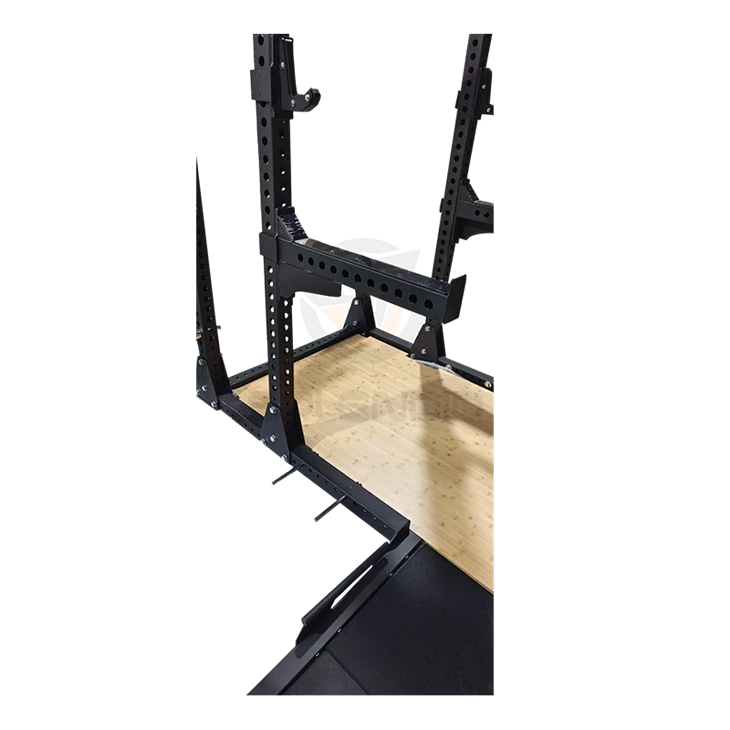
For more advanced weightlifting, a Commercial Power Rack can provide a safe and stable environment for performing heavy lifts, such as squats and deadlifts. It also offers the option to attach additional equipment, such as pull - up bars and dip stations.
If you're interested in free weights, an EZ Barbell Set is a great choice. The EZ bar's unique shape makes it more comfortable to hold during exercises, such as bicep curls and tricep extensions, and it can help to reduce stress on the wrists and elbows.
Contact for Purchase and Discussion
As a supplier of FID weight benches, we are committed to providing our customers with the highest quality products and excellent customer service. If you are interested in purchasing FID weight benches or have any questions about our products, we encourage you to contact us. We can discuss your specific needs, provide detailed product information, and offer competitive pricing. Whether you are a fitness enthusiast looking to set up a home gym or a commercial gym owner in need of reliable equipment, we have the solutions for you.
References
- American Council on Exercise (ACE). "Proper Form for Weightlifting Exercises."
- National Strength and Conditioning Association (NSCA). "Essentials of Strength Training and Conditioning."
- Fitness Equipment Manufacturing Association (FEMA). "Standards for Fitness Equipment Design and Safety."