

How to use a squat rack for sumo squats?
Nov 14, 2025
Leave a message
Sumo squats are a highly effective compound exercise that targets multiple muscle groups, including the quadriceps, hamstrings, glutes, and adductors. Using a squat rack for sumo squats can enhance your safety, stability, and overall workout experience. As a leading squat rack supplier, I'm here to guide you through the proper way to use a squat rack for sumo squats.
Understanding the Sumo Squat and the Role of the Squat Rack
Before we dive into the steps of using a squat rack for sumo squats, it's essential to understand the sumo squat itself. Unlike traditional squats, sumo squats involve a wider stance, with your feet turned out at about a 45 - degree angle. This stance places more emphasis on the inner thighs and glutes, providing a unique challenge and benefit to your lower body muscles.
A squat rack serves as a crucial piece of equipment for sumo squats. It provides a stable frame that allows you to safely load and unload weights, and it also acts as a support in case you encounter any difficulties during the lift. With a squat rack, you can perform sumo squats with heavier weights, which can lead to greater muscle growth and strength gains.
Preparing Your Squat Rack
1. Selecting the Right Squat Rack
There are various types of squat racks available on the market, each with its own features and capabilities. When choosing a squat rack for sumo squats, look for one that has a wide enough base to accommodate your stance. It should also have adjustable safety bars and a sturdy construction to support the weights you plan to use.
2. Setting Up the Safety Bars
The safety bars on the squat rack are your primary safety feature. Adjust them to a height that is slightly below the lowest point of your sumo squat. This way, if you lose control of the weight or are unable to complete a repetition, the barbell will rest on the safety bars, preventing injury.
3. Placing the Barbell
Place the barbell on the squat rack at a height that allows you to comfortably step under it. The barbell should be positioned at about chest height when you stand in front of the rack. Make sure the barbell is centered on the rack and that the weights are evenly distributed on both sides.
Performing Sumo Squats in the Squat Rack
1. Warm - Up
Before starting your sumo squats, it's important to warm up your muscles to prevent injury. You can do some light cardio, such as jogging in place or jumping jacks, for 5 - 10 minutes. Follow this with some dynamic stretches, like leg swings and hip circles, to loosen up your hips, knees, and ankles.
2. Positioning Yourself
Stand in front of the squat rack with your feet shoulder - width apart. Step forward and position your feet under the barbell, with your feet wider than shoulder - width and turned out at a 45 - degree angle. Your toes should be in line with your knees.
3. Grasping the Barbell
Reach up and grasp the barbell with an overhand grip, slightly wider than shoulder - width. Your hands should be positioned so that your wrists are in a neutral position. Keep your shoulders relaxed and your elbows pointing down.
4. Unracking the Barbell
Take a deep breath and brace your core. Lift the barbell off the rack by extending your hips and knees. Step back a couple of steps to create enough space for your sumo squat. Keep your back straight and your chest up throughout the movement.
5. The Squat Movement
Lower your body down into a sumo squat by pushing your hips back and bending your knees. Keep your knees in line with your toes and your back straight. As you descend, your thighs should parallel the floor or go slightly lower. Focus on keeping your weight on your heels and your chest up.
6. Ascending
Push through your heels to extend your hips and knees, bringing your body back up to the starting position. Keep your core engaged and your back straight. Exhale as you ascend.
7. Racking the Barbell
After completing your desired number of repetitions, step forward towards the squat rack. Carefully place the barbell back on the rack, making sure it is securely seated.
Tips for Using a Squat Rack for Sumo Squats
1. Use a Chest Support Pad
For added comfort and stability during your sumo squats, consider using a Chest Support Pad. This pad can help reduce the pressure on your chest and shoulders when you are unracking and racking the barbell.
2. Protect Your Flooring
Sumo squats involve a lot of movement and weight, which can cause damage to your gym floor. To protect your floor, consider using Foam Puzzle Flooring. It provides a cushioned surface that can absorb the impact of the weights and reduce noise.
3. Incorporate Other Equipment
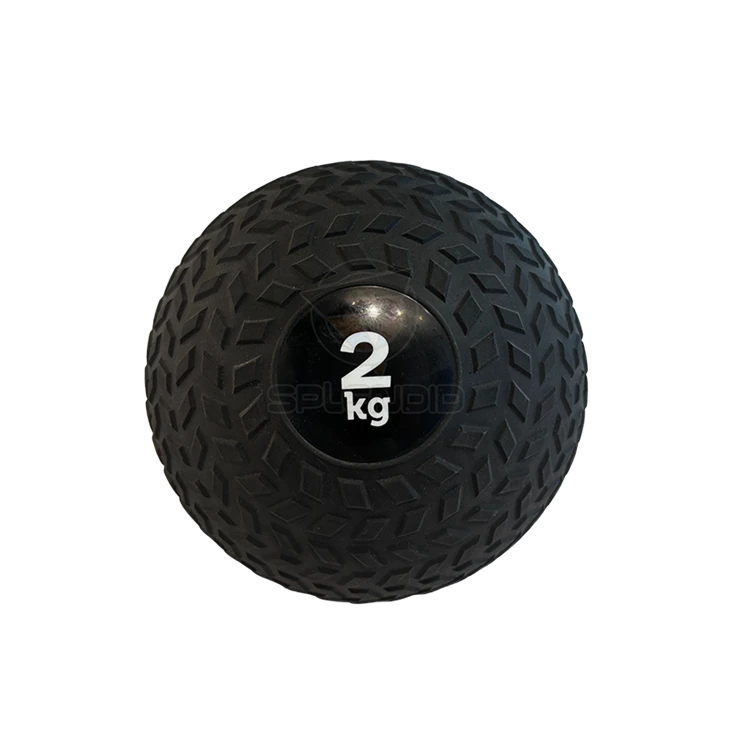
You can also enhance your sumo squat workout by incorporating other equipment, such as a Tyre Slam Ball. You can use the ball for additional core exercises before or after your sumo squats to improve your overall strength and stability.
Common Mistakes to Avoid
1. Incorrect Stance
One of the most common mistakes in sumo squats is having an incorrect stance. Make sure your feet are wide enough and turned out at the right angle. A narrow stance or incorrect foot positioning can reduce the effectiveness of the exercise and increase the risk of injury.
2. Rounding Your Back
Rounding your back during sumo squats can put a lot of stress on your spine and increase the risk of injury. Keep your back straight and your chest up throughout the movement. Engage your core muscles to help maintain proper form.
3. Using Too Much Weight
It's important to start with a weight that you can handle comfortably. Using too much weight too soon can lead to poor form and increase the risk of injury. Gradually increase the weight as your strength and technique improve.
Conclusion
Using a squat rack for sumo squats is a great way to build strength and muscle in your lower body. By following the steps outlined above, you can perform sumo squats safely and effectively. Remember to warm up properly, use the right equipment, and maintain proper form throughout the movement.

If you're interested in purchasing a high - quality squat rack or any of the accessories mentioned in this blog, we're here to help. We offer a wide range of squat racks and gym equipment to meet your needs. Contact us today to start a procurement discussion and take your sumo squat workouts to the next level.
References
- American Council on Exercise. "Sumo Squats: Benefits, How - To, and Variations."
- National Strength and Conditioning Association. "Fundamentals of Strength Training and Conditioning."