

How to adjust the backrest of an adjustable sit up bench?
Oct 09, 2025
Leave a message
Adjustable sit up benches are versatile fitness equipment that can significantly enhance your workout experience. One of the key features of these benches is the adjustable backrest, which allows you to target different muscle groups and perform a variety of exercises. In this blog, as a supplier of adjustable sit up benches, I will guide you through the process of adjusting the backrest to help you make the most of your equipment.
Understanding the Importance of Backrest Adjustment
The ability to adjust the backrest on an adjustable sit up bench is crucial for several reasons. Firstly, it enables you to customize your workout according to your fitness goals. Whether you are looking to strengthen your abdominal muscles, work on your back, or improve your overall core stability, adjusting the backrest to the appropriate angle can help you target the specific muscles you want to develop.
Secondly, proper backrest adjustment ensures your safety during workouts. When the backrest is set at the correct angle, it provides adequate support for your body, reducing the risk of injury. For example, when performing sit - ups, a well - adjusted backrest can help maintain the natural curvature of your spine, preventing unnecessary stress on your lower back.
Types of Backrest Adjustment Mechanisms
There are several types of backrest adjustment mechanisms commonly found in adjustable sit up benches. Understanding these mechanisms is essential for making the right adjustments.
Pin - and - Hole Adjustment
This is one of the most common adjustment mechanisms. It consists of a series of holes on the bench frame and a pin that can be inserted into different holes to set the backrest at various angles. To adjust the backrest using this mechanism, follow these steps:
- Locate the adjustment pin on the side of the bench. This pin is usually a metal rod that can be pulled out.
- Pull out the pin carefully. Make sure to hold it firmly so that you don't lose it.
- Move the backrest to the desired angle. You can refer to the markings on the bench frame to determine the appropriate angle for your exercise.
- Once you have set the backrest at the desired angle, insert the pin back into the corresponding hole. Ensure that the pin is fully inserted to secure the backrest in place.
Ratchet Adjustment
Ratchet adjustment systems use a toothed mechanism to lock the backrest at different angles. Here's how to use it:
- Look for the ratchet release lever, which is typically located on the side of the bench near the backrest.
- Pull the ratchet release lever to disengage the ratchet mechanism. This will allow you to move the backrest freely.
- Adjust the backrest to the desired angle. The ratchet system usually has several pre - set angles, so you can choose the one that suits your workout.
- Release the ratchet release lever. The ratchet teeth will engage, locking the backrest in place.
Hydraulic Adjustment
Some high - end adjustable sit up benches feature a hydraulic adjustment mechanism. This system allows for smooth and precise adjustments. To adjust the backrest with a hydraulic mechanism:
- Locate the hydraulic adjustment lever, which is often on the side or front of the bench.
- Press or pull the hydraulic adjustment lever, depending on the design of the bench. This will activate the hydraulic cylinder, allowing you to move the backrest.
- Slowly adjust the backrest to the desired angle. The hydraulic system provides a smooth and controlled movement.
- Once you have reached the desired angle, release the hydraulic adjustment lever. The backrest will be locked in place.
Choosing the Right Angle for Different Exercises
The angle of the backrest can have a significant impact on the effectiveness of your exercises. Here are some recommended angles for common exercises:
Flat Bench Sit - Ups
For traditional sit - ups, a flat backrest (0 degrees) is ideal. This position allows you to work on your rectus abdominis muscles, which are the muscles that run down the front of your abdomen. When the backrest is flat, your body has to work against gravity to lift your upper body, providing a good workout for your abs.
Incline Sit - Ups
An incline backrest (usually between 30 - 60 degrees) is great for targeting the upper abdominal muscles. When the backrest is inclined, it becomes more challenging to lift your upper body, as you have to work against a greater gravitational force. This increased resistance helps to strengthen the upper part of your abs.
Decline Sit - Ups
A decline backrest (usually between 10 - 30 degrees) focuses on the lower abdominal muscles. In this position, gravity pulls your body down, and your lower abs have to work hard to keep your body from sliding off the bench. Decline sit - ups are more advanced and should be performed with caution, especially if you have lower back problems.
Back Extension
For back extension exercises, a slightly inclined backrest (around 20 - 30 degrees) is suitable. This angle allows you to stretch and strengthen your lower back muscles. When performing back extensions, make sure to keep your movements slow and controlled to avoid injury.
Maintenance and Care of the Backrest Adjustment Mechanism
To ensure the longevity and proper functioning of your adjustable sit up bench's backrest adjustment mechanism, regular maintenance is essential.
Cleaning
Periodically clean the adjustment mechanism to remove dirt, dust, and debris. You can use a soft cloth and a mild cleaning solution to wipe down the pins, holes, ratchet teeth, or hydraulic components. Avoid using abrasive cleaners that could damage the mechanism.
Lubrication
If your bench has a ratchet or hydraulic adjustment mechanism, lubrication is important. Use a silicone - based lubricant to keep the moving parts smooth. Apply the lubricant according to the manufacturer's instructions, usually every few months or as needed.

Inspection
Regularly inspect the adjustment mechanism for any signs of wear or damage. Check the pins for bending or breakage, the ratchet teeth for chipping, and the hydraulic system for leaks. If you notice any problems, contact the manufacturer or a professional for repair or replacement.
Complementary Fitness Equipment
In addition to adjustable sit up benches, there are other fitness equipment that can complement your workouts. For example, the 2 in 1 Preacher Curl Machine is a great addition for targeting your biceps and triceps. It allows you to perform a variety of curl and extension exercises with different grips and angles.
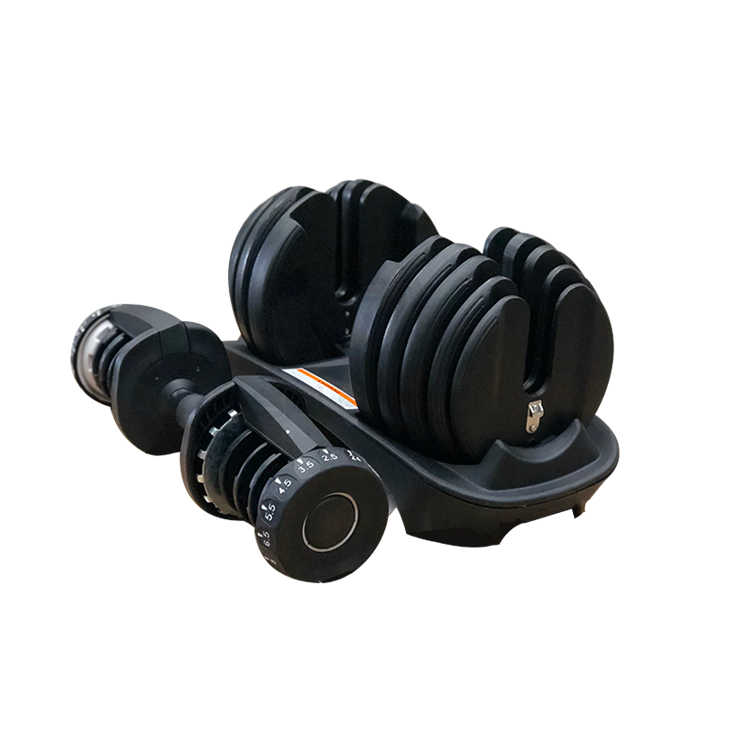
Selectable Dumbbells are also very useful. They offer the convenience of adjusting the weight quickly, allowing you to perform a wide range of exercises such as dumbbell rows, shoulder presses, and bicep curls.
The Lat Pulldown V Handle is an excellent attachment for cable machines. It helps you perform lat pulldown exercises more effectively, targeting your latissimus dorsi muscles, which are the large muscles on the sides of your back.
Contact for Procurement
If you are interested in purchasing adjustable sit up benches or any of our other fitness equipment, we encourage you to contact us for procurement and further discussions. Our team of experts is ready to assist you in choosing the right products for your fitness needs. Whether you are a gym owner looking to equip your facility or an individual seeking high - quality home fitness equipment, we have the solutions for you.
References
- "Fitness Equipment Maintenance Guide" - General fitness industry publication
- "Strength Training for Beginners" - A comprehensive guide on strength training exercises and equipment usage