

How does the padding on an adjustable bench affect comfort?
Jun 20, 2025
Leave a message
Padding on an adjustable bench plays a pivotal role in determining the overall comfort of users during workouts. As a leading adjustable bench supplier, we understand the significance of high - quality padding and its far - reaching impact on the user experience. In this blog, we will delve into the various aspects of how the padding on an adjustable bench affects comfort.
Material of the Padding
The material used for the padding is one of the most critical factors. Different materials offer distinct levels of comfort, durability, and breathability.
Foam
Foam is a commonly used material for bench padding. High - density foam provides excellent support. It can distribute the user's weight evenly across the bench, reducing pressure points. When a person lies on an adjustable bench with high - density foam padding, the foam compresses gradually, conforming to the body's shape. For example, during a bench press, the shoulders, back, and buttocks rest on the bench. High - density foam ensures that these areas do not experience excessive pressure, preventing discomfort and potential pain over time.
On the other hand, low - density foam may seem soft initially, but it can quickly lose its shape and resilience. After repeated use, it may develop indentations, which can lead to an uneven surface and reduced comfort. This is especially important for adjustable benches, as they are used in multiple positions, and an uneven surface can be particularly noticeable and uncomfortable.

Memory Foam
Memory foam is another popular choice. It has the unique ability to mold to the body's contours and then slowly return to its original shape. This property makes it highly comfortable, as it provides personalized support. For instance, if a user has a curved spine or specific pressure points, memory foam can adapt to these individual needs. When adjusting the bench to different angles for various exercises, such as incline or decline bench presses, memory foam continues to provide a comfortable and supportive surface.
However, memory foam can also have some drawbacks. It may retain heat more than other materials, which can be a problem during intense workouts. Some users may find the warm sensation uncomfortable, especially in hot and humid environments.
Vinyl and Leather - Like Materials
The outer covering of the padding also matters. Vinyl and leather - like materials are often used to encase the foam. Vinyl is durable and easy to clean, which is important for a gym environment where benches are used frequently. It can withstand spills and sweat without getting damaged easily.
Leather - like materials offer a more luxurious look and feel. They can provide a smooth and comfortable surface for the user to rest on. However, they may be more expensive than vinyl. Leather - like materials also need to be properly maintained to prevent cracking and peeling over time.
Thickness of the Padding
The thickness of the padding directly affects comfort. A thicker padding generally provides more cushioning and support.
Optimal Thickness
For adjustable benches, a padding thickness of around 2 - 3 inches is often considered optimal. This thickness provides enough cushioning to protect the body from the hard frame of the bench while still maintaining a stable surface. When performing exercises like dumbbell rows on an adjustable bench, a 2 - 3 - inch thick padding can prevent the user from feeling the metal frame beneath, reducing the risk of bruising and discomfort.
Excessive Thickness
While thicker padding may seem more comfortable at first, excessive thickness can also have negative effects. It can make the bench too soft, which may lead to a lack of stability. When performing heavy weightlifting exercises, a very soft bench can cause the user to sink too deeply, altering their form and potentially increasing the risk of injury.
Padding Density and Firmness
The density and firmness of the padding are closely related to comfort.
Firmness for Different Exercises
Different exercises require different levels of firmness. For exercises that involve a lot of movement and force, such as powerlifting, a firmer bench padding is preferred. A firm surface provides better stability and allows the user to generate more power. When doing a heavy bench press, a firm bench helps the user maintain proper form and transfer the force more effectively.
On the other hand, for exercises that focus on isolation and controlled movements, like bicep curls on a bench, a slightly softer padding may be more comfortable. It can allow the user to relax and focus on the specific muscle group being targeted.
Consistency of Density
The density of the padding should be consistent across the entire bench. Inconsistent density can lead to an uneven surface, which can be uncomfortable and may even cause pain. For example, if the padding near the headrest is softer than the rest of the bench, it can cause the neck to be in an awkward position during exercises, leading to neck strain.
Impact on Different Body Types
The padding on an adjustable bench should be designed to accommodate different body types.
Smaller and Lighter Users
Smaller and lighter users may not require as much padding as larger individuals. However, they still need a comfortable surface that provides enough support. A bench with too thick or too soft padding may cause them to sink too deeply, making it difficult to maintain proper form. For these users, a bench with a medium - firm padding may be the most comfortable option.
Larger and Heavier Users
Larger and heavier users need padding that can support their weight without compressing too much. A bench with high - density foam or a combination of thick and firm padding is essential. If the padding is not sufficient, it can lead to discomfort, pressure sores, and an increased risk of injury. Adjustable benches that can be adjusted to different angles also need to have padding that can support the user's weight in all positions.
Padding and Adjustable Features
Adjustable benches are designed to be used in multiple positions. The padding needs to be able to maintain comfort in all these positions.
Angle Adjustments
When adjusting the bench to different angles, the padding should continue to provide a comfortable surface. For example, when changing from a flat position to an incline position, the padding should not shift or bunch up. This requires proper construction and attachment of the padding to the bench frame.
Multiple Positions
Since adjustable benches are used for a variety of exercises, such as leg raises, sit - ups, and various bench presses, the padding should be comfortable in all these different positions. A well - designed padding can ensure that the user feels comfortable whether they are lying flat, sitting upright, or at an angle.
Our Product Range and Comfort
As an adjustable bench supplier, we offer a wide range of benches with different padding options to meet the diverse needs of our customers. Our Flat Utility Workout Bench features high - density foam padding for a stable and comfortable surface. It is suitable for a variety of exercises and is a popular choice for home gyms and small fitness studios.
Our Multifunction Gym Bench is designed with adjustable features and memory foam padding. This combination provides personalized support and comfort in multiple positions. Whether you are performing incline, decline, or flat bench presses, this bench ensures a comfortable workout experience.
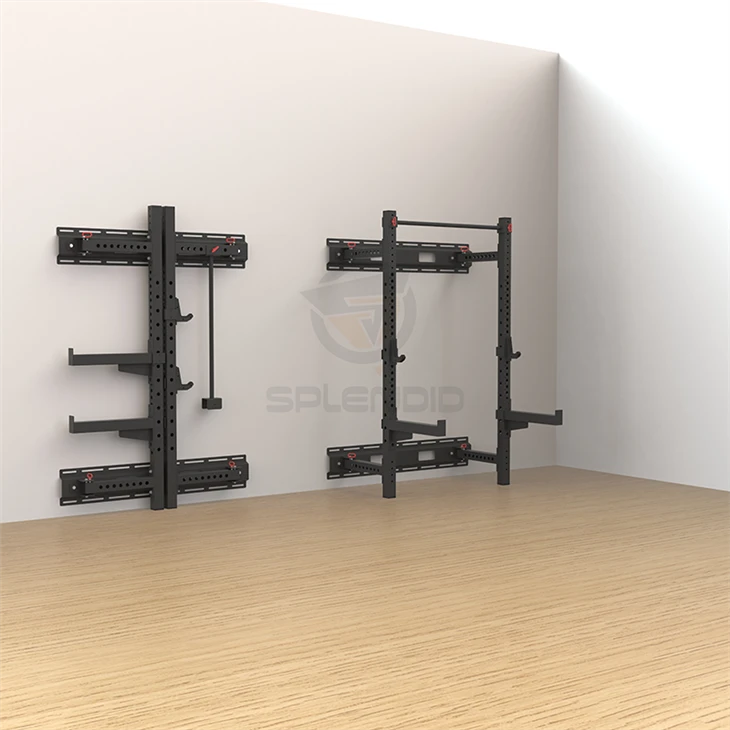
In addition, we also offer benches with Foldable Wall Mounted Squat Rack options. These benches are designed to save space while still providing high - quality padding for comfort.
Contact Us for Purchase and Consultation
If you are interested in purchasing adjustable benches or have any questions about our products, we encourage you to contact us. Our team of experts is ready to assist you in finding the perfect bench with the right padding for your needs. Whether you are a gym owner looking to equip your facility or an individual setting up a home gym, we can provide you with the best solutions.
References
- Exercise Equipment Buying Guide: Bench Padding, Fitness Industry Association
- The Science of Comfort: Padding in Gym Equipment, Journal of Sports Science and Technology
- Adjustable Benches: A Comprehensive Review, International Journal of Fitness and Wellness