

How do I adjust the bench to a specific angle accurately?
Dec 15, 2025
Leave a message
Adjusting an adjustable bench to a specific angle accurately is crucial for a variety of workout routines. As a supplier of adjustable benches, I understand the importance of precision in this process. In this blog, I'll share some practical tips and techniques to help you achieve the perfect angle for your workouts.
Understanding the Basics of Adjustable Benches
Before diving into the adjustment process, it's essential to understand how adjustable benches work. Most adjustable benches feature a locking mechanism that allows you to set the bench at different angles. These angles can range from a flat position (0 degrees) to an incline (usually up to 90 degrees) or a decline (down to -20 degrees or more). The locking mechanism typically consists of pins, levers, or ratchets that secure the bench in place once the desired angle is reached.
Tools You'll Need
To adjust your bench accurately, you'll need a few basic tools. These include a tape measure, a protractor, and a level. A tape measure will help you measure the distance between the bench and the floor, which can be useful for setting specific angles. A protractor is essential for measuring the angle of the bench precisely. A level will ensure that the bench is perfectly horizontal or vertical, depending on your desired angle.
Step-by-Step Guide to Adjusting Your Bench
- Determine Your Desired Angle: The first step in adjusting your bench is to determine the angle you need for your workout. This will depend on the type of exercise you're performing. For example, if you're doing incline dumbbell presses, you'll want to set the bench at an incline of around 30-45 degrees. If you're doing decline sit-ups, you'll want to set the bench at a decline of around 15-20 degrees.
- Unlock the Bench: Once you've determined your desired angle, unlock the bench's locking mechanism. This may involve pulling a pin, releasing a lever, or turning a ratchet. Make sure the bench is free to move before proceeding.
- Adjust the Bench: Use your hands to adjust the bench to the desired angle. You may need to lift or lower the bench slightly to get it into position. As you adjust the bench, keep an eye on the protractor to ensure that you're achieving the correct angle.
- Lock the Bench: Once you've adjusted the bench to the desired angle, lock the bench's locking mechanism. This will secure the bench in place and prevent it from moving during your workout. Make sure the locking mechanism is fully engaged before proceeding.
- Check the Level: Use a level to check that the bench is perfectly horizontal or vertical, depending on your desired angle. If the bench is not level, adjust it slightly until it is. This will ensure that you're performing your exercises correctly and safely.
Tips for Accurate Angle Adjustment
- Use a Bench with Precise Angle Markings: Some adjustable benches come with precise angle markings on the side of the bench. These markings can make it easier to set the bench at a specific angle. If your bench doesn't have angle markings, you can use a protractor to measure the angle manually.
- Take Your Time: Adjusting the bench to a specific angle takes time and patience. Don't rush the process, and make sure you're taking the time to measure the angle accurately.
- Practice Makes Perfect: The more you practice adjusting your bench, the better you'll become at it. Take the time to experiment with different angles and exercises to find the ones that work best for you.
Additional Equipment for Your Workout
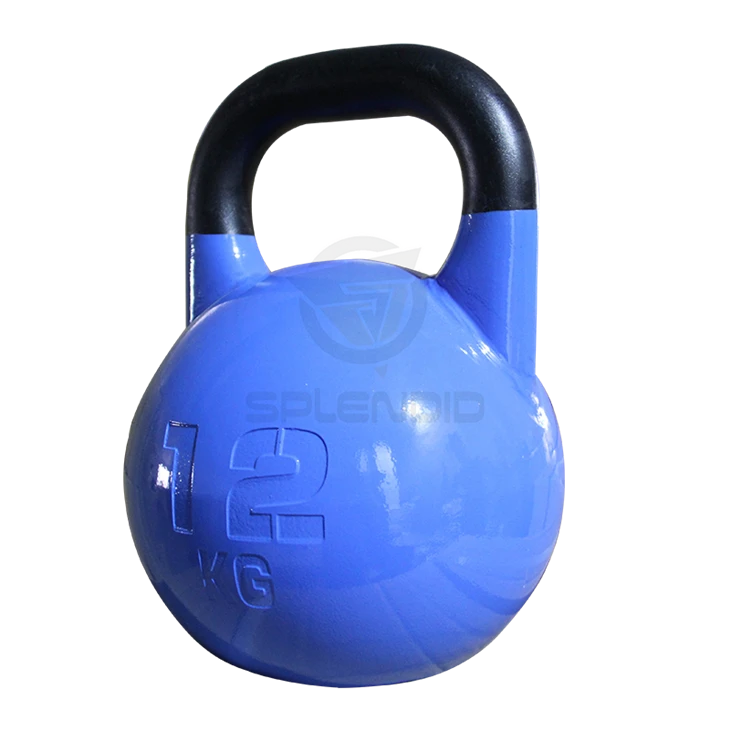
In addition to an adjustable bench, there are several other pieces of equipment that can enhance your workout. For example, a Glute Hip Thrust Machine is a great way to target your glutes and hips. An Olympic Weight Tree is a convenient way to store your weights and keep your workout area organized. And an Olympic Kettlebell is a versatile piece of equipment that can be used for a variety of exercises.
Conclusion
Adjusting an adjustable bench to a specific angle accurately is essential for a safe and effective workout. By following the tips and techniques outlined in this blog, you'll be able to set your bench at the perfect angle for your exercises. Remember to take your time, use the right tools, and practice regularly to improve your accuracy. If you have any questions or need further assistance, please don't hesitate to contact us. We're here to help you get the most out of your workout.

References
- Fitness Equipment Handbook. (2023). A Comprehensive Guide to Adjustable Benches.
- Exercise Science Journal. (2022). Optimal Angles for Different Workout Routines.